I’ve always enjoyed observing how logic and human behavior intertwine.
And one of the examples that has most impacted me is the famous Monty Hall problem, that mathematical challenge known for confusing even the greatest geniuses.
At first glance, it seems like just a game of probabilities, but over time I realized that it actually speaks to something much deeper: our difficulty in dealing with change.
For those unfamiliar, the problem is simple: imagine you’re on a TV show and you have to choose one of three doors.
Behind one of them is a prize; behind the others, nothing. You choose one.
The host, who knows where the prize is, opens one of the two remaining doors and shows that it’s empty.
Then he asks you a question: “Do you want to keep your choice or change?”
Most people insist on keeping their initial choice, believing that, statistically, changing maintains the same odds.
But that’s not the case. Change doubles your chances. And this is statistically proven and known as the Monty Hall Problem.
And that’s the lesson. Resistance to change isn’t rational—it’s emotional.
We cling to what we’ve chosen because changing means admitting that perhaps the first decision wasn’t the best.
And in the world of business, careers, and life, this dynamic repeats itself all the time.
How many times do we insist on paths that no longer make sense simply because that’s where we started?
Entrepreneurship has taught me that changing your mind isn’t a sign of uncertainty, it’s a sign of intelligence.
Just like in the Monty Hall problem, life gives us new information all the time. What seemed right at the beginning may cease to make sense when the context changes.
And ignoring this is the same as choosing to lose, just because we’re afraid of seeming inconsistent.
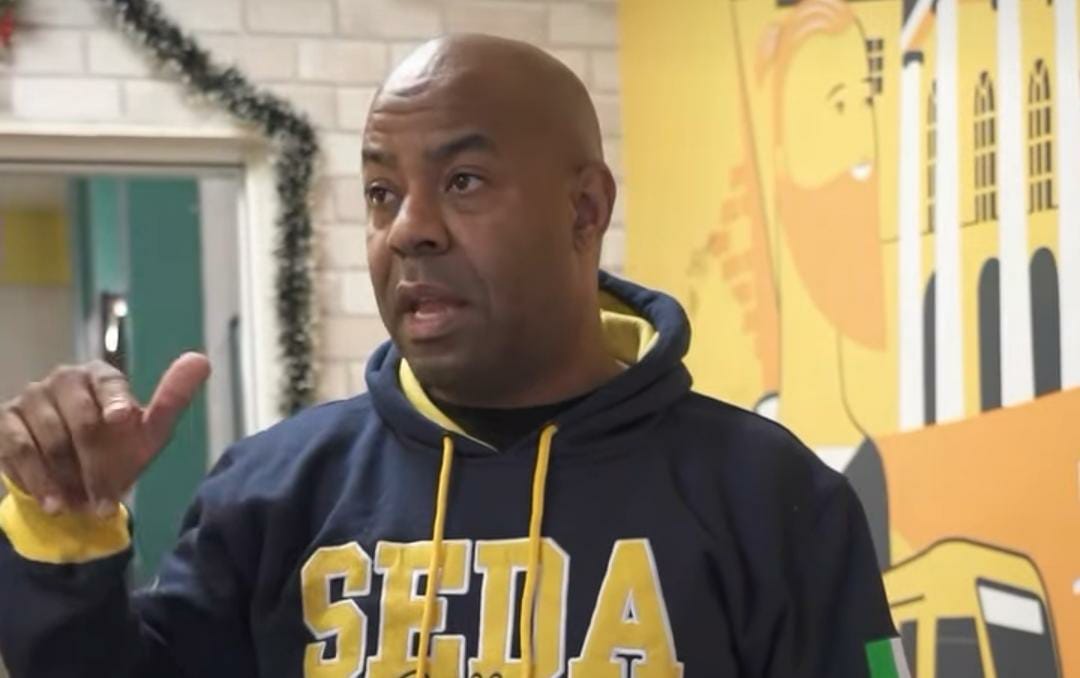
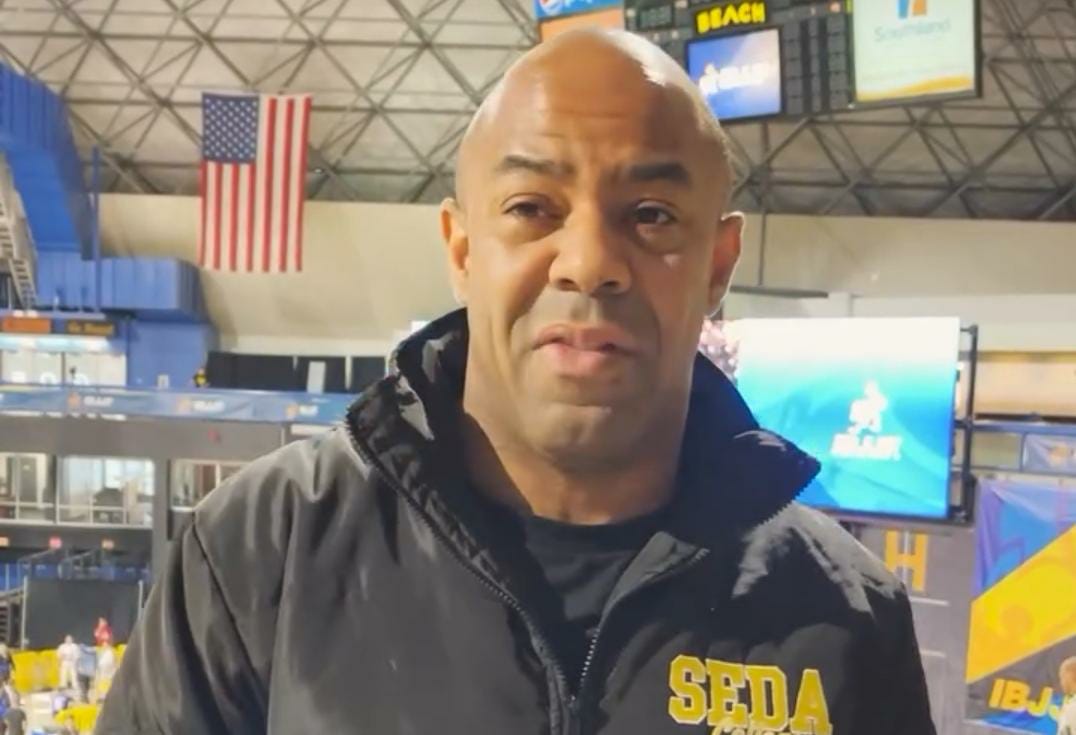
When I founded SEDA, I had to change plans several times. Business models, strategies, teaching formats—nothing stayed the same for long.
At first, every change felt like an admission of error.
Today, I understand that it was precisely this flexibility that kept us alive. Persistence is important, but adaptation is vital.
The problem of Monty Hall taught me that change isn’t starting from scratch, it’s starting over with learning.
It’s understanding that the value lies in the ability to recalculate the route, to recognize that the first choice doesn’t define the destination.
Life rewards those who have the courage to reconsider decisions—not those who insist on them out of pride.
In the end, the changes that most transformed my trajectory were precisely those that, at the beginning, seemed like contradictions.
And perhaps that’s the greatest lesson of the game: sometimes, giving up the first choice is the only way to reach the right prize.