
When I started my entrepreneurial journey, I believed that being a leader meant having all the answers.
I thought leadership was about knowing the way, showing confidence, and always having a ready solution.
Over time—and with many mistakes, of course—I discovered that it’s precisely the opposite.
Leading isn’t about knowing everything.
It’s about having the sensitivity to ask the questions that lead the team to find the best path together.
In practice, this changes everything. When a leader tries to be the sole possessor of all the answers, they centralize, limit, and stifle the potential of others.
When they allow themselves to ask questions, they create space for the group to think, question, and grow.
I learned that the right questions create more transformations than ready-made answers.
They provoke reflection, awaken autonomy, and reveal what, sometimes, even the team itself didn’t know it knew.
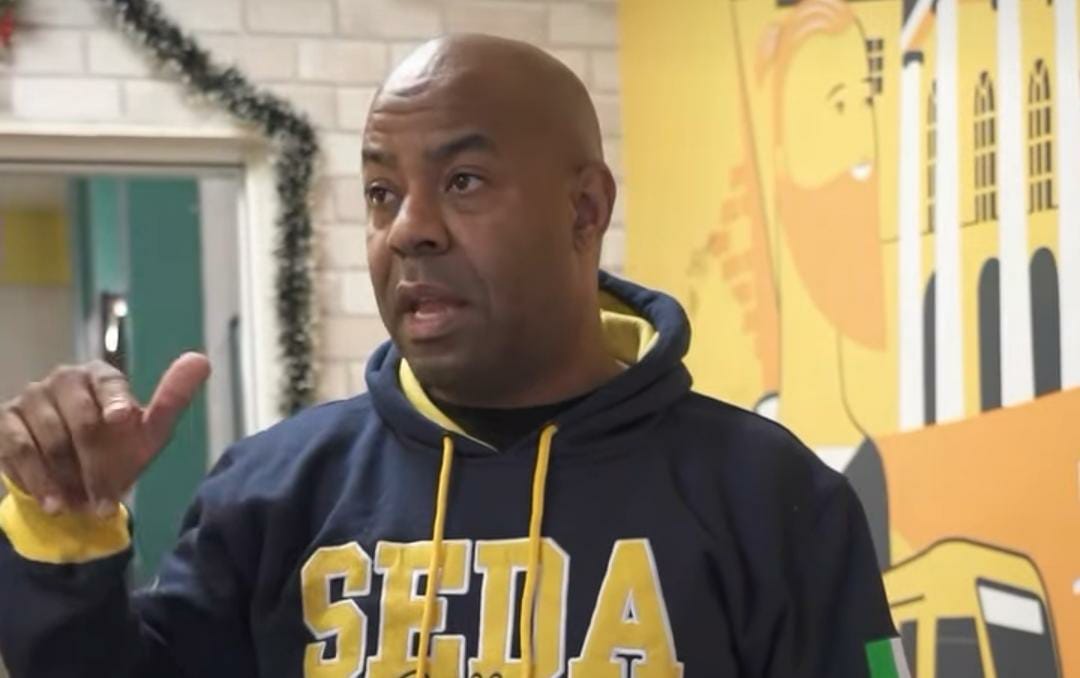
At SEDA, I experienced this mindset shift firsthand.
Initially, I tried to solve everything alone, from strategic problems to the simplest decisions. I thought leadership was about being in control.
But control, I discovered, doesn’t inspire.
What inspires is trust. And trust is born when the leader recognizes that they don’t have all the answers, but believes in the ability of those around them.
Asking questions is also an act of humility.
It’s admitting that one person’s vision alone will never be complete. That good ideas can come from anywhere. That listening is often more productive than speaking.
And, above all, it’s understanding that the leader’s role is not to shine alone, but to make everyone shine together.
The best decisions we’ve ever made stemmed from good questions: “What if we tried a different way?” “Why are we doing it this way?” “What really makes sense to the person on the other side?”
These are simple but powerful questions because they bring awareness.
And awareness is what separates a group that executes from a group that creates.
Today, I see that a leader’s maturity is measured less by the speed of their answers and more by the quality of their questions.
Leading is guiding without imposing, listening without judging, and challenging without demotivating.
It’s transforming “I know” into “let’s find out together.”
And it is in this space—between doubt and dialogue—that leadership ceases to be authority and becomes inspiration.