For a long time, it was believed that leadership was about efficiency: mastering processes, controlling indicators, and guaranteeing predictable results.
This view created technically competent leaders, but often emotionally absent. Over the years, I realized that this model does not sustain true growth. Leading is not about understanding processes — it’s about understanding people.
Processes are essential. They organize the work, create rhythm, and make the dream possible. But alone, they don’t move anyone.
It is the people who bring the strategy to life, who transform plans into action, and who keep the culture alive, even in the most challenging phases. When a leader understands this, they stop seeing their team as pieces and begin to see them as a shared purpose.
Understanding people is a daily exercise in listening and empathy. It’s about perceiving what is not said — the discouragement disguised as “everything’s fine,” the anxiety for recognition, the potential that has not yet found the courage to manifest itself.
To lead is to be truly present, to care about the human being before the position, about the journey before the delivery. And this is not learned in training. It is learned by living together, making mistakes, and observing carefully.
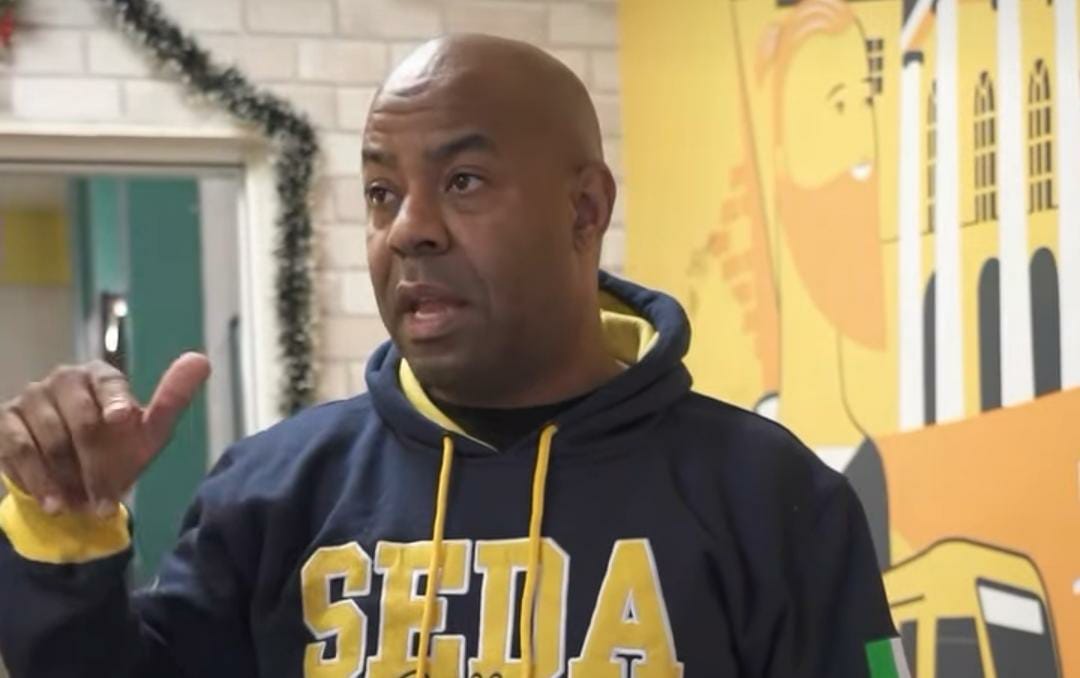
At SEDA, I learned that the true differentiator of a company is not in the most efficient process, but in the culture that inspires people to give their best.
When someone feels valued, they create. When they are heard, they engage. When they understand the purpose, they deliver more than expected. The role of the leader is precisely this: to transform the environment into a space where people want to grow, not just work.
Processes matter, of course, but they are only the skeleton. What gives life to an organization is emotion, connection, the feeling of belonging.
A perfect plan is useless if those who execute it do not believe in it. Trust is the true fuel of performance — and it is born from consistency and respect.
Therefore, leading is not just guiding. It is caring. It’s about creating an environment where people can be authentic and still feel safe to make mistakes, learn, and try again.
Leadership that understands people is the kind that builds lasting bridges between purpose and results.
In the end, it’s simple: companies are made of processes, but sustained by people.
And it is the people—with their stories, talents, and imperfections—who keep the soul of any business alive.